Optimizing Lead Qualification: Using Interactive WhatsApp Flows for Seamless Data Collection
Learn how interactive WhatsApp messaging flows for lead qualification support structured data collection and improve CRM integration without external redirects.
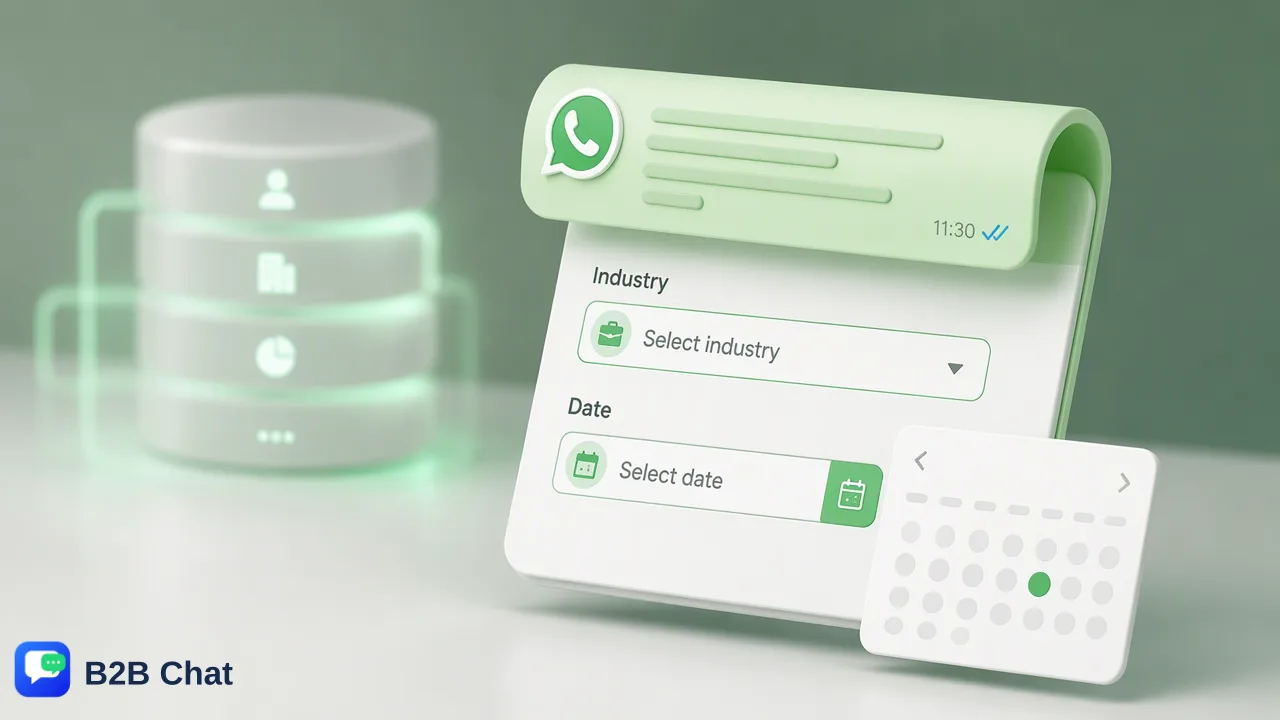
Discover how interactive WhatsApp messaging flows for lead qualification replace external web forms, reduce user friction, and improve CRM data integration.
Interactive WhatsApp messaging flows for lead qualification help organizations replace fragmented, multi-step external forms with native, in-chat experiences. By keeping users within the messaging interface, businesses reduce the friction associated with external redirects and capture structured data that integrates seamlessly into CRM systems. This approach moves beyond the limitations of unstructured chat transcripts, supporting more accurate data collection for event registration, appointment booking, and customer inquiries. When managed through a centralized workspace, these interactive forms help teams streamline global customer operations and maintain context across multiple conversations.
The Friction of External Redirects
Redirecting users to external landing pages creates friction that negatively impacts completion rates. In traditional messaging workflows, a customer expressing interest in a product or service receives a link to a web form. Clicking this link forces the user out of the messaging application and into a mobile browser. This transition introduces multiple points of potential drop-off: waiting for the page to load, accepting cookie banners, navigating a non-native interface, and manually returning to the chat application once the form is submitted. Every additional step in this fragmented journey degrades the user experience. Customers expect messaging interactions to be immediate and contained within the thread. When organizations force a channel switch just to collect basic information, they disrupt the conversational flow. This disruption often results in abandoned sessions, leaving sales and support teams with incomplete profiles and lost opportunities. Minimizing this friction is a primary driver for adopting native data collection strategies.
The Advantage of Native Interactive Forms
Native, multi-screen forms embedded directly within a messaging interface help users provide structured data without leaving the chat. Instead of sending a static link, organizations can deploy interactive messaging flows that render UI elements—such as text inputs, radio buttons, dropdown menus, and date pickers—natively within WhatsApp. This technical advantage transforms the chat interface into a lightweight application. Users navigate through multiple screens of a form seamlessly, maintaining the context of their conversation in the background. Because the experience is native to the messaging app, it loads instantly and adheres to familiar design patterns, which helps maintain user engagement. By removing the need for external browser redirects, interactive forms support a more cohesive user journey, keeping the customer focused on the task at hand and significantly reducing the likelihood of abandonment during the data collection process.
Key Use Cases for Interactive Flows
Interactive flows are ideal for event registration, appointment booking, and lead qualification. These use cases traditionally require specific, formatted information that is difficult to extract reliably from free-text conversations. For lead qualification strategy, interactive forms help teams gather essential criteria—such as company size, industry, budget range, and project timelines—before routing the conversation to a human agent. Instead of a representative asking these questions one by one, the flow collects the data asynchronously, helping provide the agent with full context before engaging. In appointment booking scenarios, native flows replace tedious back-and-forth negotiations. Users can view available time slots, select a date, and confirm their appointment through structured dropdowns and date pickers directly in the thread. For event registration, organizations can collect attendee details, dietary preferences, and session selections in a single, multi-screen flow. This structured approach helps confirm all necessary fields are completed before the registration is submitted, streamlining the administrative workload for event organizers.
Improving Data Quality and CRM Integration
Structured data collection within chat improves CRM integration compared to unstructured chat transcripts. When customers provide information through free-text messages, the resulting data is often messy, inconsistent, and prone to typos. Extracting actionable insights from these unstructured transcripts requires complex natural language processing or manual data entry by support staff. Interactive messaging flows address this challenge by enforcing data structure at the point of entry. Because users select from predefined options or input text into specific fields, the resulting payload is formatted predictably. This structured output maps cleanly to standard CRM fields. When a flow is completed, the data can automatically update lead records, trigger specific marketing automation sequences, or populate support tickets without manual intervention. This precise WhatsApp data collection strategy supports downstream systems in receiving standardized information, reducing administrative overhead and minimizing data entry errors.
Best Practices for High-Conversion Flows
Designing effective interactive flows requires a focus on user experience and conversational context. To maintain high completion rates, teams should keep flows concise, use clear calls to action, and ensure the flow context aligns with the user's intent. First, limit the number of screens and fields to only what is strictly necessary for the specific workflow. Overwhelming a user with a lengthy questionnaire within a chat interface can cause the same drop-off issues as an external web form. Second, use clear, descriptive calls to action. The button that triggers the flow should explicitly state what the user is about to do, such as "Book Appointment" or "Register Now." Finally, ensure the transition into the flow feels natural. The preceding messages should provide clear context for why the data is being collected. Aligning the request with the user's immediate goal helps build trust and encourages them to complete the interactive sequence.
Centralizing Operations with B2B Chat
Managing interactive messaging flows across global markets requires a unified operational layer. B2B Chat is a customer-service and social-messaging workspace for global markets, focused on WhatsApp, Telegram, and LINE account management. Delivered through a downloadable client for Windows and macOS, it helps teams connect and operate multiple accounts from a single interface for outbound marketing and support. When deploying interactive flows, organizations often encounter conversations in multiple languages. B2B Chat supports these global workflows with AI translation capabilities that automatically detect and translate customer messages across 200+ languages. The translation expression is adjusted based on conversation context, helping the dialogue surrounding the interactive flow remain natural and accurate. Furthermore, B2B Chat incorporates AI customer service features that interpret customer intent from incoming messages and conversation context. This assists automated first-line responses, helping to guide users toward the appropriate interactive flow based on their specific needs, whether they are inquiring about a product or attempting to schedule a service.
FAQ
Why are interactive flows better than traditional web forms for WhatsApp?
Interactive flows keep the user within the native messaging interface, removing the friction of external browser redirects. This seamless experience helps reduce drop-off rates and supports higher completion rates by maintaining the conversational context.
How do interactive flows impact CRM data accuracy?
Structured data collection within chat improves CRM integration compared to unstructured chat transcripts. By using predefined fields, dropdowns, and date pickers, interactive flows generate predictable data payloads that map cleanly to CRM systems, reducing manual entry errors.
Can interactive flows be used for appointment booking?
Yes, interactive flows are ideal for appointment booking. They help users select dates and times from structured menus directly within the chat, replacing inefficient back-and-forth text negotiations.
How does B2B Chat support the management of these messaging interactions?
B2B Chat provides a centralized workspace to connect and operate multiple WhatsApp, Telegram, and LINE accounts from a single downloadable client. It supports global operations by offering AI translation across 200+ languages and AI customer service tools that interpret intent to assist with first-line responses.
What role does AI translation play in global lead qualification?
When managing cross-border inquiries, AI translation automatically detects and translates customer messages, adjusting expressions based on conversation context. This helps support teams effectively communicate with international leads before and after they interact with a data collection flow.
How does intent understanding improve messaging automation?
AI customer service tools interpret customer intent from incoming messages and conversation context. This capability assists automated first-line responses, helping organizations accurately route users to the correct interactive flow—such as a support intake form or a sales qualification questionnaire—based on their initial inquiry.