How to Automate Abandoned Cart Recovery via WhatsApp: A Step-by-Step Workflow
Learn how to structure a WhatsApp abandoned cart recovery workflow using automated messaging, webhooks, explicit opt-ins, and AI customer service support.
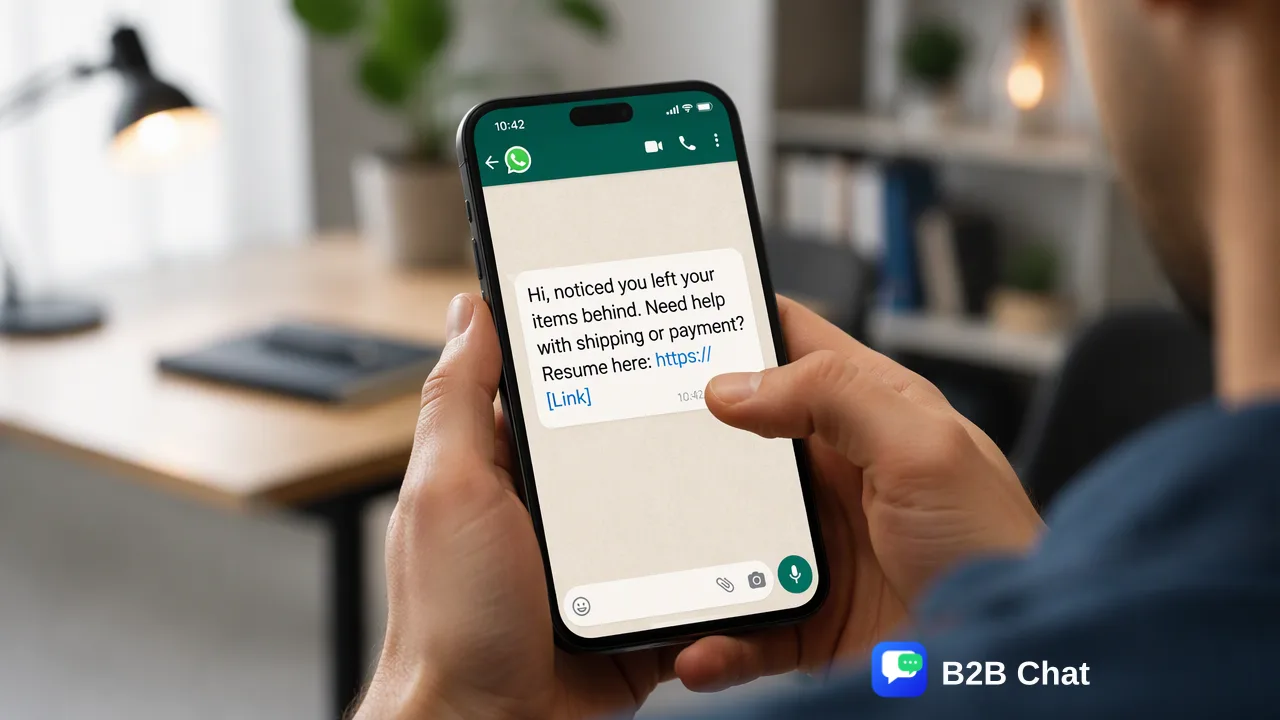
A practical guide to structuring a WhatsApp abandoned cart recovery workflow, from checkout webhooks and compliance opt-ins to context-aware AI support and multilingual follow-ups.
A WhatsApp abandoned cart recovery workflow automatically re-engages shoppers who exit an online checkout before completing their purchase. The workflow triggers via e-commerce webhooks when a cart is abandoned, verifies customer opt-in consent, and transmits structured reminder messages directly to the shopper's WhatsApp account. When paired with specialized messaging workspaces, teams can manage incoming replies, interpret customer intent with contextual AI, and assist international buyers across 200+ languages without manual friction.
The Strategic Advantage of WhatsApp for Cart Recovery
Digital shoppers abandon carts for numerous practical reasons, ranging from unexpected shipping costs and multi-step payment friction to simple browser distractions. Traditional email recovery sequences frequently face inbox clutter, low visibility, and delayed engagement. Because messaging platforms maintain direct, conversational proximity to mobile shoppers, WhatsApp provides an effective environment for time-sensitive checkout reminders. Automated messaging over WhatsApp presents distinct operational benefits when structured properly:
| Capability | Traditional Email Sequence | WhatsApp Messaging Workflow |
|---|---|---|
| Delivery Environment | Secondary promotional inbox tabs | Direct chat interface |
| Engagement Speed | Latent, depends on inbox check intervals | Immediate notification and direct reading |
| Interaction Style | One-way broadcast template | Two-way dialogue with support assistance |
| International Handling | Static language templates | Dynamic, context-aware AI translation |
| By converting checkout abandonment from an unmonitored drop-off into a two-way service touchpoint, businesses can assist hesitant buyers in real time, answer lingering product questions, and provide direct paths back to pre-filled carts. |
Building the Technical Recovery Pipeline
Establishing an automated recovery pipeline requires aligning store events, data payloads, compliance checkpoints, and messaging workspaces. Technical teams structure this sequence through distinct workflow stages:
- Checkout Event Capture: When a customer enters their contact information and items into the checkout flow but fails to complete payment within a defined threshold (commonly 15 to 60 minutes), the e-commerce engine registers an abandoned checkout event. 2. Webhook Dispatch: The store platform dispatches a JSON webhook payload containing essential recovery variables: recipient phone number, buyer name, product titles, currency, total cart value, and a unique recovery checkout URL. 3. Compliance and Consent Verification: Before any outbound reminder is sent, the routing system verifies that the customer provided explicit opt-in consent during checkout. Messaging without explicit permission risks spam reporting, negative brand perception, and platform account suspension. 4. Message Workspace Dispatch: The verified payload triggers a pre-approved template message routed through the organization's messaging platform, initiating the customer re-engagement sequence. Maintaining strict separation between data triggers and compliance verification keeps outbound messaging aligned with regional data privacy standards and WhatsApp platform guidelines.
Enhancing Recovery with AI-Driven Messaging and Translation
Outbound cart recovery templates often prompt direct shopper questions rather than immediate checkouts. A customer may ask whether an item fits true to size, inquire about regional delivery timelines, or ask about accepted payment options. If incoming replies encounter static silence, the recovery opportunity is lost. Deploying a dedicated messaging workspace like B2B Chat equips support and sales teams with tools tailored for high-volume conversational commerce:
- Intent-Aware First-Line Responses: B2B Chat incorporates AI customer service capabilities that interpret incoming customer intent from the full conversation context. Instead of relying on rigid keyword triggers, the system assists teams by proposing or delivering relevant first-line replies, addressing common objections before routing complex issues to human agents. - Contextual Multilingual Translation: For international stores serving diverse regions, B2B Chat provides AI translation supporting more than 200 languages. The translation engine evaluates conversation context to preserve natural phrasing, allowing cross-border teams to engage foreign-language shoppers seamlessly. - Unified Multi-Account Management: Teams running localized marketing or multi-region storefronts can connect and operate multiple accounts from a single downloadable desktop client (available for Windows and macOS). Centralizing WhatsApp, Telegram, and LINE conversations reduces tool switching and helps operators monitor active recovery dialogues in one consolidated workspace. This operational combination helps support teams maintain rapid response times and consistent message quality across distributed international markets.
Structuring Multi-Stage Recovery Messages and Content
Message timing, clarity, and tone directly influence how shoppers perceive automated recovery outreach. A measured, two-step communication cadence balances helpfulness with customer respect:
Step 1: The Helpful Service Reminder (30–60 Minutes Post-Abandonment)
The initial message should function as a courteous service check rather than a hard sales push. Customers frequently abandon sessions due to spotty connectivity, external interruptions, or minor technical confusion. - Key Elements: Reference the shopper's name, display the cart contents, and ask if technical assistance is required. - Action Link: Provide a direct, mobile-responsive link that restores the user's specific checkout session. ### Step 2: The Time-Sensitive Follow-Up (12–24 Hours Post-Abandonment) If the initial reminder remains unanswered and the order unfulfilled, a secondary follow-up can provide additional assistance or a time-sensitive incentive, such as a limited-time free shipping code or a reserved inventory notice. - Key Elements: Transparent expiration timeline, reassurance regarding hassle-free returns, and an option to opt out of further reminders. - Boundary Discipline: Avoid sending more than two automated messages per abandoned cart. Repeated messaging risks customer irritation, negative brand sentiment, and increased block rates on messaging channels. Structuring copy with clear calls-to-action, concise formatting, and direct checkout restoration helps customers complete their intended purchases with minimal friction.
FAQ
Why is explicit opt-in necessary for WhatsApp cart recovery workflows?
Explicit opt-in is a mandatory compliance requirement for business-initiated messaging on WhatsApp. Collecting verifiable consent at checkout protects sender reputation, reduces user opt-outs, and helps organizations maintain account health across high-volume outreach campaigns.
How does AI customer service support abandoned cart conversations?
When shoppers reply to recovery reminders with product questions, shipping inquiries, or hesitation about payment methods, AI customer service evaluates the conversation context and message intent to generate relevant first-line responses, assisting human support teams during peak inquiry volumes.
How do global teams handle multi-region cart recovery across different messaging accounts?
Cross-border operations can centralize regional WhatsApp, Telegram, or LINE accounts within a single workspace client. This setup supports account aggregation, reduces tool switching, and applies contextual AI translation across more than 200 languages for international checkouts.
Learn More
Choose the product information that fits the next step in your workflow.